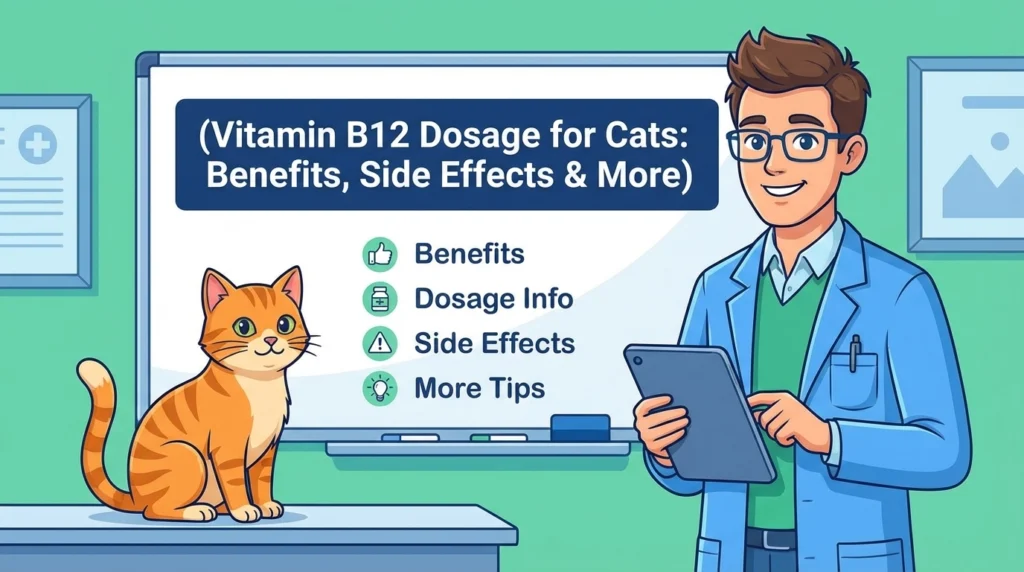
Vitamin B12 for Cats (also called cyanocobalamin or cobalamin) is an important water-soluble vitamin that helps a cat’s body work properly. It is needed for energy, digestion, nerve health, and making red blood cells.
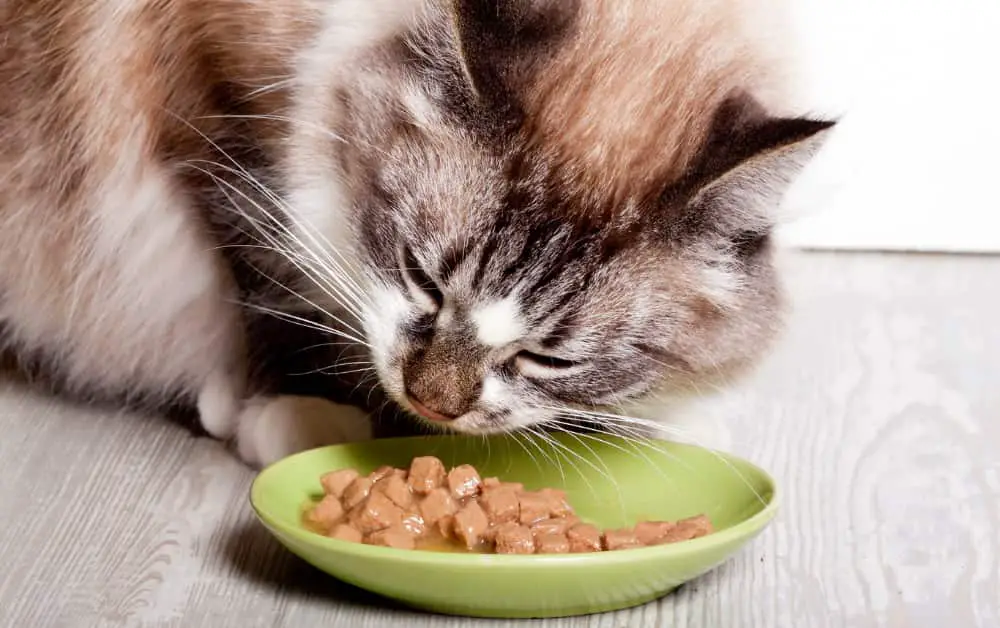
Cats normally get vitamin B12 from animal foods like meat, eggs, and poultry, because they are obligate carnivores. In healthy cats, diet is usually enough. But in many sick cats, the body cannot absorb B12 properly.
Vitamin B12 is absorbed in the last part of the small intestine (ileum). If this part is inflamed or damaged—like in IBD, pancreatitis, liver disease, intestinal problems, or cancer of the intestine—the cat cannot absorb enough B12 even if it is eating normally.


When B12 levels become low, cats may show signs like weight loss, poor appetite, vomiting, diarrhea, constipation, tiredness, and weakness. In some cases, it can also cause anemia and nerve problems, including difficulty walking or jumping.
Because of this, many cats with stomach or intestinal disease need vitamin B12 supplements (injections or oral forms) to help them feel better and recover properly.


Learn about Vitamin B12 dosage for cats, including its role in digestion, nerve health, and red blood cell production. Discover deficiency causes, symptoms, treatment options, safety, and how B12 supports cats with IBD, weight loss, and chronic illness.
Disclaimer: This content is for informational purposes only and should not replace veterinary advice. Always consult your veterinarian before giving Vitamin B12 or adjusting your cat’s dosage.



Key Takeaways
- Vitamin B12 (also called cyanocobalamin or cobalamin) is essential for a cat’s energy, digestion, nerve function, and red blood cell production.
- Cats normally get B12 from meat-based diets, but they can develop deficiencies if they cannot absorb it properly.
- The vitamin is mainly absorbed in the last part of the small intestine (ileum), so any damage or inflammation in this area can cause low B12 levels.
- Common causes of deficiency include IBD, pancreatitis, liver disease, intestinal disorders, cancer, and malabsorption problems.
- Signs of low B12 in cats include weight loss, poor appetite, vomiting, diarrhea, constipation, lethargy, anemia, and weakness.
- Severe deficiency can also affect the nervous system, leading to difficulty walking or jumping.
- Vitamin B12 supplements are usually given as injections or oral forms, depending on the cat’s condition.
- Many cats with chronic digestive disease may need long-term or lifelong B12 supplementation.
- Treatment often improves appetite, energy, digestion, and overall health when deficiency is corrected.
- Veterinary guidance is important for correct diagnosis, dosing, and monitoring.
What is Vitamin B12 for Cats?
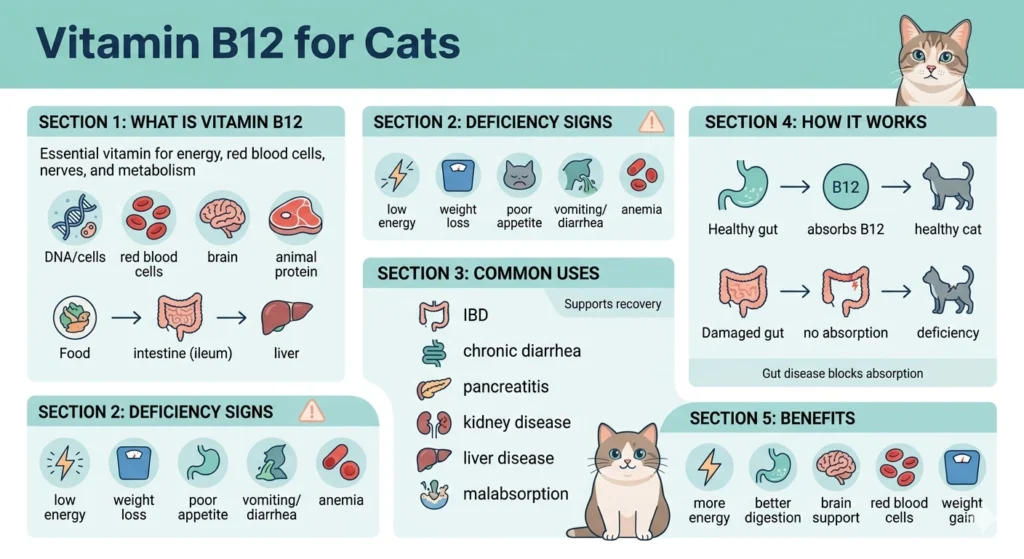
Vitamin B12, also known as cyanocobalamin or cobalamin, is a water-soluble vitamin that is essential for a cat’s normal body functions. It is required for cell growth, red blood cell production, nerve function, and metabolism of fats, proteins, and carbohydrates.


Cats obtain vitamin B12 from animal-based foods like meat, eggs, and poultry, which are necessary because they are obligate carnivores. The vitamin is absorbed in the small intestine (ileum) and stored in the liver for use when needed.
Vitamin B12 also works with folate to support the production of DNA and RNA, which are important for cell reproduction.
A deficiency in vitamin B12 in cats is usually linked to digestive system problems that affect absorption. This can lead to signs such as loss of appetite, lethargy, weight loss, digestive issues, and anemia, and in severe cases, it can affect the nervous system.
Common Uses of Vitamin B12 for Cats
Vitamin B12 supplementation is commonly used in cats to treat primary or secondary vitamin B12 deficiency, especially in conditions that affect nutrient absorption and overall health.
It is recommended for cats with:
- Inflammatory Bowel Disease (IBD)
- Chronic diarrhea or vomiting
- Weight loss
- Pancreatitis
- Triaditis
- Exocrine pancreatic insufficiency (EPI)
- Chronic kidney disease
- Liver disease
- General malabsorption issues
Vitamin B12 may also be used in cats recovering from illness or poor nutrition to support normal body function and recovery.
How Vitamin B12 Works in Cats
Vitamin B12 is absorbed in the last part of the small intestine, called the ileum. When this area becomes inflamed or damaged—such as in intestinal diseases—B12 cannot be properly absorbed. This leads to low B12 levels, which can worsen digestive problems, weight loss, and overall health.
In cats, vitamin B12 deficiency is most commonly seen with inflammatory bowel disease (IBD) and similar gastrointestinal conditions. These conditions cause bowel inflammation and thickening, reducing the body’s ability to absorb nutrients, including B12. As a result, deficiency can further damage intestinal health and create a cycle of poor absorption.
Supplementing vitamin B12 helps break this cycle and supports recovery by:
- Restoring energy levels and appetite
- Improving digestion and intestinal health
- Supporting nerve and brain function
- Stimulating red blood cell production
- Promoting better nutrient absorption
In cats with gastrointestinal disease, studies have shown that B12 supplementation can lead to noticeable improvement in symptoms such as vomiting and diarrhea, along with weight gain.
Even when cats are treated for conditions like IBD with medications or special diets, their recovery may not be complete without correcting a vitamin B12 deficiency. Many cats show significant improvement once their B12 levels are restored.
Vitamin B12 Dosage for Cats
Vitamin B12 dosage for cats depends on whether it is given as an injection or an oral supplement, and the underlying health condition of the cat.
Injectable Vitamin B12 (Most Common Method)
In cats, vitamin B12 is most commonly given as a subcutaneous injection (under the skin), especially for conditions like inflammatory bowel disease (IBD).
A typical protocol includes:
- 250 micrograms per cat once weekly for 6 weeks
- After the initial phase, the dose is reduced to once every 1–2 months
Most cyanocobalamin injections come in a concentration of 1000 mcg/mL, which usually equals 0.25 mL per injection at the standard dose.
These injections may be given at a veterinary clinic or at home after proper instruction. They are usually well tolerated, especially when given while the cat is calm or eating.
Because vitamin B12 can remain in the body for a long time once levels are restored, long-term maintenance therapy is often needed, especially in cats with chronic gastrointestinal disease.
Oral Vitamin B12 for Cats
Vitamin B12 is also available in oral tablets, liquids, or chewable forms, such as cyanocobalamin supplements.
Common oral dosing includes:
- 250 mcg daily for at least 12 weeks
However, oral B12 requires daily administration and takes longer to build up levels compared to injections.
Oral forms may be less effective in cats with malabsorption conditions (such as gastrointestinal, pancreatic, or liver disease), because the vitamin may not be properly absorbed.
Injection vs Oral Use
- Injections are preferred in cats with digestive disorders or severe deficiency
- Oral supplements may be used in milder cases or for maintenance
- Injection therapy is generally more reliable for IBD and chronic GI disease
Monitoring and Long-Term Use
- Blood levels of vitamin B12 can be monitored by a veterinarian
- Many cats require long-term or lifelong supplementation, especially those with chronic GI disease
- Dose frequency is often adjusted based on follow-up blood tests
Key Safety Note
Vitamin B12 dosage should always be determined by a veterinarian, especially because absorption and needs vary depending on the underlying disease.
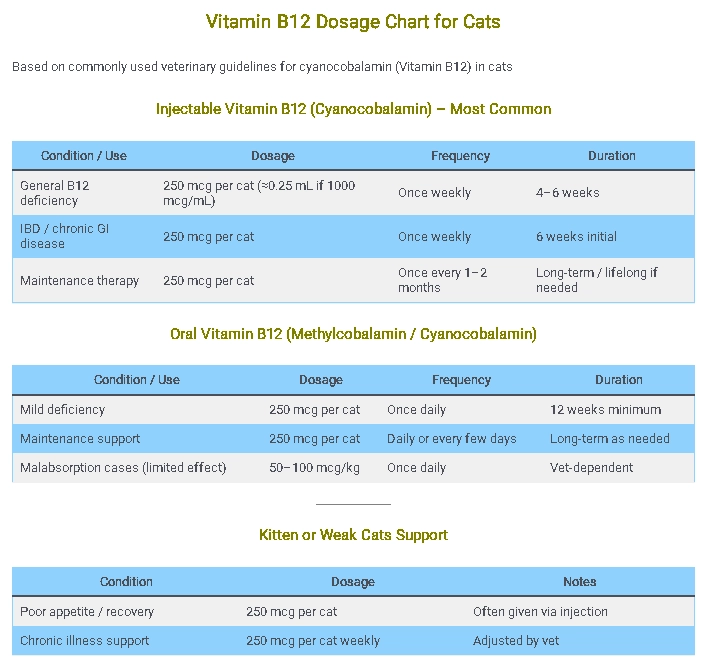
Vitamin B12 Dosage Chart for Cats
Based on commonly used veterinary guidelines for cyanocobalamin (Vitamin B12) in cats
Injectable Vitamin B12 (Cyanocobalamin) – Most Common
| Condition / Use | Dosage | Frequency | Duration |
|---|---|---|---|
| General B12 deficiency | 250 mcg per cat (≈0.25 mL if 1000 mcg/mL) | Once weekly | 4–6 weeks |
| IBD / chronic GI disease | 250 mcg per cat | Once weekly | 6 weeks initial |
| Maintenance therapy | 250 mcg per cat | Once every 1–2 months | Long-term / lifelong if needed |
Oral Vitamin B12 (Methylcobalamin / Cyanocobalamin)
| Condition / Use | Dosage | Frequency | Duration |
|---|---|---|---|
| Mild deficiency | 250 mcg per cat | Once daily | 12 weeks minimum |
| Maintenance support | 250 mcg per cat | Daily or every few days | Long-term as needed |
| Malabsorption cases (limited effect) | 50–100 mcg/kg | Once daily | Vet-dependent |
Kitten or Weak Cats Support
| Condition | Dosage | Notes |
|---|---|---|
| Poor appetite / recovery | 250 mcg per cat | Often given via injection |
| Chronic illness support | 250 mcg per cat weekly | Adjusted by vet |
Important Notes
- Injectable form is preferred for IBD, pancreatitis, liver disease, and malabsorption issues
- Oral B12 may not work well if the gut cannot absorb nutrients properly
- Many cats may require long-term or lifelong supplementation
- Always confirm exact dose with a veterinarian
- Never double dose if a dose is missed
Quick Summary
- Injection: 250 mcg weekly (then monthly maintenance)
- Oral: 250 mcg daily (12 weeks minimum)
- Severe GI disease: Injection preferred
Dosage and Administration of Vitamin B12 for Cats
Vitamin B12 can be given to cats in either injectable or oral form, and the method is chosen by a veterinarian based on the cat’s condition and severity of deficiency.
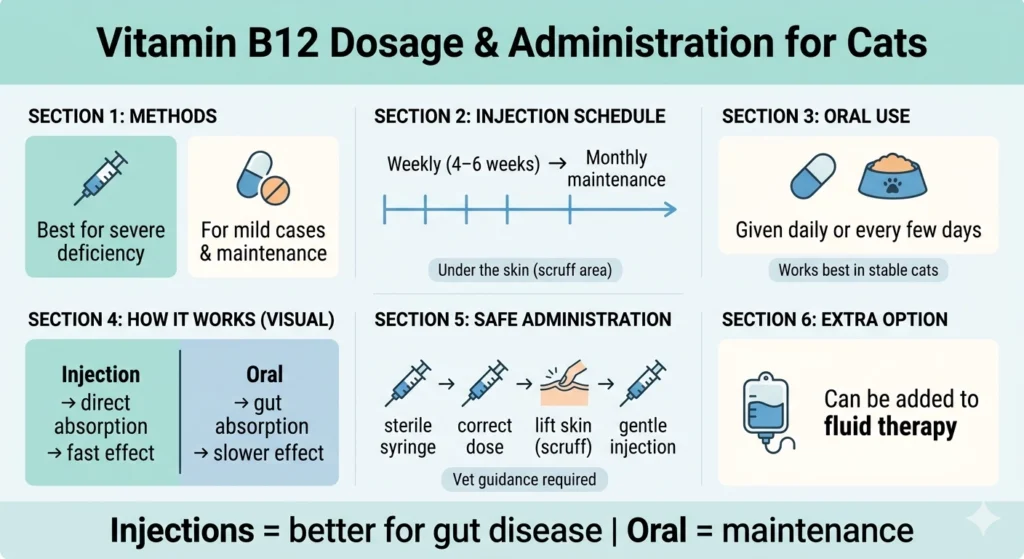
Injectable Vitamin B12 (Most Common)
Injectable vitamin B12 is the most commonly used method, especially for cats with digestive problems.
Typical administration includes:
- Given under the skin once a week for 4 to 6 weeks
- Followed by monthly maintenance doses if needed
- Often administered at home using small syringes, after veterinary guidance
Injectable B12 is generally preferred for cats with severe digestive issues, as it ensures better absorption.
Oral Vitamin B12
Oral supplementation is another option and is usually used for mild deficiency or maintenance therapy.
- Often given in the form of methylcobalamin (active form of B12)
- Administered daily or every few days with food
- More suitable for long-term support in stable cases
Cats generally tolerate oral B12 well, especially when mixed with food.
How Cyanocobalamin Is Given
Cyanocobalamin (vitamin B12) can be administered in two ways:
- Oral tablets given by mouth
- Injectable solution given under the skin
In some cases, veterinary staff may demonstrate how to properly administer injections at home.
Safe Administration Guidelines
When giving B12 injections at home, safety is important:
- Use a sterile syringe and needle
- Draw the correct dose of B12
- Replace with a fresh sterile needle before injection
- Lift the skin at the back of the neck (scruff area)
- Insert the needle gently parallel to the body and inject under the skin
Veterinary training is strongly recommended before home administration.
Additional Administration Method (Fluids)
In some cases, vitamin B12 can be added to subcutaneous fluid therapy, reducing the number of separate injections a cat needs. This is done by mixing the B12 dose into the fluid bag under veterinary guidance.
Key Point
Injectable B12 is usually preferred for cats with significant gastrointestinal disease, while oral forms are more suitable for mild cases or maintenance.
Side Effects and Safety of Vitamin B12 for Cats
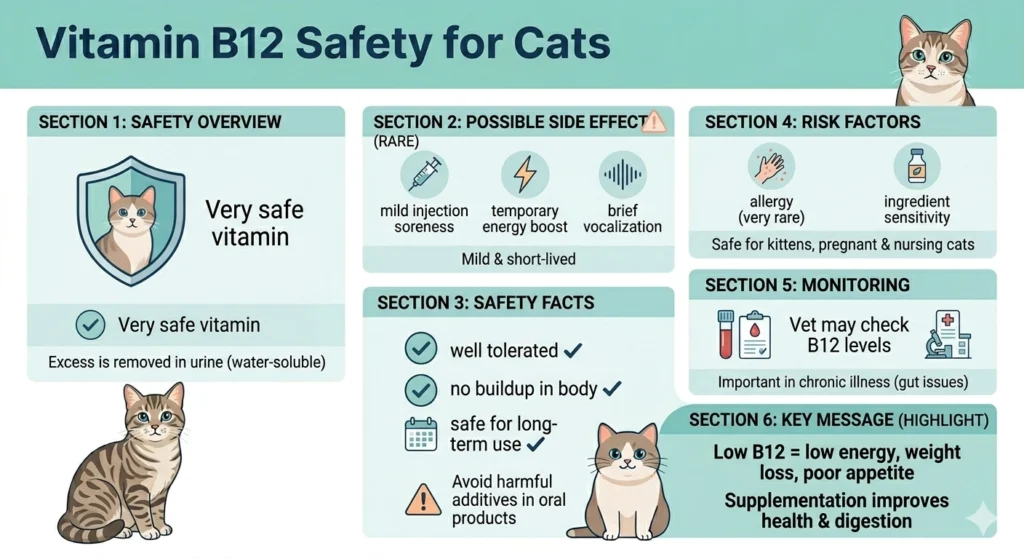
Vitamin B12 is considered very safe for cats, and side effects are rare. Because it is a water-soluble vitamin, any excess that the body does not need is simply removed through urine. This makes it much safer than fat-soluble vitamins (such as vitamins A, D, E, and K), which can build up in the body if over-supplemented.
Possible Side Effects
Although uncommon, some mild effects may occur:
- Slight stinging or soreness at the injection site
- Temporary behavioral change due to increased energy
- Occasional vocalization during injection
These effects are usually mild and short-lived.
Injectable forms may rarely cause mild discomfort, especially with certain types like hydroxocobalamin, which is used less commonly in veterinary medicine.
Safety Profile
- Vitamin B12 is generally very well tolerated in animals
- Effects of the injection may last for a few days
- Over-supplementation does not usually cause harm because excess is excreted in urine
- Oral products should avoid artificial sweeteners or harmful additives
However, care should be taken in animals with known hypersensitivity to cobalt or specific product ingredients.
Risk Factors
- No major risk factors are documented for injectable or oral use in cats
- Generally considered safe for pregnant cats, nursing mothers, and young kittens
- Rare allergic reactions (including severe reactions in humans) have been reported, but they are extremely uncommon in veterinary use
Monitoring and Follow-Up
Veterinarians may monitor B12 levels using a serum cobalamin blood test, especially:
- After initial treatment
- During long-term therapy
- In cats with chronic conditions like IBD or pancreatic disease
Many cats require ongoing maintenance doses, especially if they have chronic gastrointestinal problems.
Important Note for Cat Owners
Low vitamin B12 is often an overlooked cause of weight loss, poor appetite, and lethargy in cats. Even small, regular supplementation can significantly improve digestion, energy levels, and overall health in affected cats.
Drug Interactions with Vitamin B12 for Cats
Vitamin B12 (cyanocobalamin) is generally safe for cats, but certain medications may affect how well it works or is absorbed in the body.
Medications That May Affect B12 Absorption
Some drugs can reduce the absorption or response to vitamin B12, including:
- Chloramphenicol (may decrease response to cyanocobalamin)
- Neomycin
- Potassium chloride
- Colchicine
- p-aminosalicylic acid
These medications may interfere with how vitamin B12 is absorbed in the digestive system.
Acid-Reducing Drugs
- Long-term use of omeprazole or pantoprazole may reduce vitamin B12 absorption in humans
- The veterinary significance is not fully confirmed, but caution may still be advised
Important Precaution for Pet Owners
Always inform your veterinarian about all medications, supplements, vitamins, or herbal products your cat is receiving. This helps avoid possible interactions and ensures proper treatment effectiveness.
Storage and Supply of Cyanocobalamin (Vitamin B12)
How to Store Cyanocobalamin
Cyanocobalamin must be stored properly to maintain its effectiveness:
- Tablets: Keep in tight, closed containers at room temperature and protect from light
- Injectable form: Store below 40°C (104°F)
- Keep away from freezing and direct light
How Vitamin B12 Is Supplied
Vitamin B12 (cyanocobalamin) is available in several forms and strengths:
Oral Forms:
- 100 mcg tablets
- 250 mcg tablets
- 500 mcg tablets
- 1000 mcg tablets
- 5000 mcg tablets
Intranasal Form:
- Gel spray: 500 mcg/0.1 mL in 5 mL bottles
Injectable Cyanocobalamin:
- 100 mcg/mL (30 mL vial)
- 1000 mcg/mL (10 mL and 30 mL vials)
Injectable Hydroxocobalamin:
- 1000 mcg/mL (30 mL vial)
Brand Names and Other Names of Vitamin B12
Vitamin B12 is officially registered for human use, and there are several human formulations available. However, there are no dedicated veterinary formulations, except when included in multivitamin products.
Human Formulations (Vitamin B12 / Cyanocobalamin)
- Big Shot-12® (Naturally)
- Crystamine® (Dunhall)
- Cyanojet® (Mayrand)
- Cyomin® (Forest)
- Rubesol® (Central)
- Hydro-Crsyti-12® (Roberts Hauck)
- LA-12® (Hyrex)
- Nascobal® (Nastech)
- Generic Vitamin B12 (oral and injectable forms)
Veterinary Formulations
- No specific standalone veterinary vitamin B12 products
- Available mainly as part of multivitamin formulations
What If I Miss a Dose or Shipment Is Late?
If you miss giving a dose of vitamin B12 or your supply is delayed, follow these guidelines:
- Give the missed dose as soon as you remember
- Restart your regular weekly or monthly schedule from that new date
- Example: If a monthly dose was due on June 1 but given on June 18, the next dose should be scheduled for July 18
- Do not give two doses at the same time
If you are unsure or concerned about a missed dose, contact your veterinarian for guidance.
Vitamin B12 Deficiency in Cats: Causes, Symptoms, Diagnosis, and Prevention
Vitamin B12 (cobalamin) deficiency in cats can occur when the body is unable to properly absorb or maintain this essential nutrient. Since vitamin B12 is required for normal digestion, metabolism, and nerve function, low levels can lead to significant health problems.
Causes of Vitamin B12 Deficiency in Cats
Vitamin B12 deficiency may develop due to problems affecting the organs involved in its absorption and use, including the pancreas, intestine, stomach, and liver. If any of these organs are not functioning properly, B12 absorption can be disrupted.
Other key causes include:
- Inflammatory Bowel Disease (IBD) or Crohn’s-like intestinal inflammation
- Pancreatitis and exocrine pancreatic insufficiency (EPI)
- Intestinal lymphoma (cancer)
- Cholangiohepatitis
- Extreme stress
- Diseases causing increased urination such as hyperthyroidism (leading to faster B12 loss since it is water-soluble)
- Genetic factors or breed-related absorption issues in some cats
- Nutritional imbalances, including low levels of protein, vitamin B6, iron, and thyroid-related factors, which may affect absorption
Vitamin B12 is also naturally stored for only a short time in the body. In healthy cats, it may last around 13 days, but in cats with gastrointestinal disease, it can be depleted in as little as 5 days.
Symptoms of Vitamin B12 Deficiency in Cats
Because vitamin B12 is essential for many body functions, deficiency can cause a wide range of symptoms, including:
- Lethargy
- Loss of appetite
- Weight loss
- Vomiting
- Diarrhea
- Constipation
- Possible small intestinal bacterial overgrowth (SIBO)
In more severe cases, deficiency may lead to:
- Anemia
- Nerve damage
- Gastrointestinal dysfunction
Some cats may also show:
- Weakness in the back legs
- Difficulty walking or jumping
Diagnosis of Vitamin B12 Deficiency
If deficiency is suspected, a veterinarian may perform several tests:
- Blood test to measure serum vitamin B12 (cobalamin) levels
- Assessment of gut health based on B12 levels
- Microbiome testing to evaluate intestinal bacteria balance
- Measurement of methylmalonic acid (urine or serum) to confirm deficiency
Prevention of Vitamin B12 Deficiency in Cats
Vitamin B12 deficiency can often be prevented or managed by:
- Treating underlying diseases such as IBD or liver disease
- Feeding a diet rich in meat-based nutrition, especially organ meats like liver (when appropriate)
- Using commercial cat foods that contain balanced vitamin B12 levels
- Administering vitamin B12 injections or oral supplements when prescribed
- In cats receiving IV fluids (e.g., with chronic kidney disease), adding cobalamin to fluids under veterinary supervision
You May Also Like To Read:
- Chlorpheniramine Dosage for Cats: Chart, Safe Use & More
- Famciclovir Dosage for Cats: Chart, Safe Use, Effects & More
FAQs About Vitamin B12 for Cats
How do I know if my cat needs B12?
Signs of vitamin B12 deficiency include weight loss, diarrhea, vomiting, poor appetite, and lethargy, especially in cats with IBD or chronic digestive illness.
What dosage of vitamin B12 is safe for cats?
The correct dosage depends on your cat’s weight, age, and health condition. Always consult your veterinarian for the safest and most effective dosage plan.
Are there any side effects to watch out for?
Vitamin B12 is generally very safe, but some cats may experience mild stomach upset or slight discomfort at the injection site. Any unusual changes should be discussed with a vet.
Does my cat’s age or health condition affect B12 supplementation?
Yes. A cat’s age, underlying diseases, and overall health can affect how much vitamin B12 is needed and how it should be given.
Is injectable B12 better than oral?
For cats with digestive problems or malabsorption issues, injections are usually more effective because they bypass the gut. Oral supplements may be used for mild cases or maintenance.
What kind of B12 should I use?
Methylcobalamin is often preferred for oral supplementation
Cyanocobalamin is commonly used for injections
Can B12 help with weight loss in cats?
Yes. In cats with deficiency, restoring B12 levels can improve appetite, digestion, and weight gain.
Final Thoughts
Vitamin B12 (cobalamin or cyanocobalamin) is a very important vitamin for cats because it supports energy, digestion, nerve function, and red blood cell production. Most healthy cats get enough B12 from meat-based diets, but cats with stomach or intestinal diseases may not absorb it properly.
When vitamin B12 levels become low, it can lead to problems like weight loss, poor appetite, vomiting, diarrhea, tiredness, anemia, and weakness. These issues are especially common in cats with IBD, pancreatitis, liver disease, or other malabsorption problems.
The good news is that vitamin B12 deficiency is usually easy to treat with supplements, most commonly through injections or oral medication, depending on the cat’s condition. Many cats show noticeable improvement in appetite, energy, and digestion once treatment begins.
In many cases, especially with long-term digestive disease, cats may need ongoing or lifelong B12 support to stay healthy.
Always follow your veterinarian’s advice for proper diagnosis, dosage, and monitoring to ensure the best results for your cat.