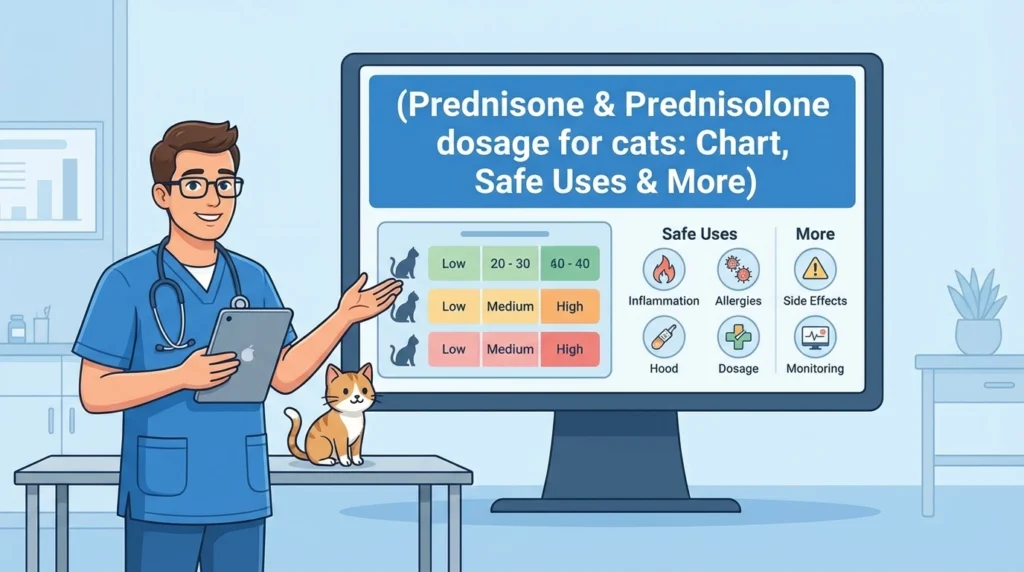
Cats often face a variety of health issues, including allergies, autoimmune disorders, inflammatory conditions, and certain types of cancers. To manage these problems, veterinarians commonly prescribe corticosteroids, specifically prednisone and prednisolone. These medications help reduce inflammation, suppress the immune system when needed, and improve a cat’s quality of life during illness.
For cats, there’s an important difference: their bodies cannot efficiently convert prednisone into its active form, prednisolone. This is why prednisolone is generally preferred over prednisone for cats, as it is easier for their bodies to absorb and more effective in treating feline conditions. In fact, most cats receiving corticosteroids are prescribed prednisolone rather than prednisone.
Both prednisone and prednisolone belong to the corticosteroid family. At low doses, they can help reduce inflammation and relieve symptoms, but higher doses or long-term use may suppress the immune system and cause side effects such as weight gain, increased thirst and urination, or weakened immunity. Proper dosing, administration, and tapering schedules are essential to ensure safety and effectiveness.
In This article Learn everything about Prednisone & Prednisolone dosage for cats, including safe dosages, how they work, uses, side effects, and who should avoid them. A complete guide for cat owners to manage inflammation, autoimmune conditions, and other health issues safely.
Disclaimer: This content is for informational purposes only and should not replace veterinary advice. Always consult your veterinarian before giving Prednisone & Prednisolone or adjusting your cat’s dosage.
Key Takeaways
- Prednisolone is preferred over prednisone for cats because cats cannot efficiently convert prednisone into its active form.
- Both medications are corticosteroids used to treat inflammation, autoimmune disorders, allergies, asthma, certain cancers, and hormone deficiencies in cats.
- Dosage matters: Anti-inflammatory doses are lower (1–2 mg/kg/day), while immunosuppressive doses are higher (2–8 mg/kg/day) and must be tailored by your veterinarian.
- Administration tips: Give prednisolone with food, usually in the evening, at the same time each day. Never stop suddenly; tapering under vet supervision is essential.
- Common side effects include increased thirst, urination, appetite, mild lethargy, and temporary behavioral changes. Long-term use can cause weight gain, pot-bellied appearance, infections, diabetes, or liver issues.
- Not safe for all cats: Avoid or use with caution in kittens, pregnant or lactating cats, diabetic cats, cats with liver disease, infections, ulcers, or Cushing’s disease.
- Drug interactions: NSAIDs, diuretics, cyclosporine, antibiotics, and antifungals can increase risks when combined with prednisolone. Always inform your vet of all medications and supplements.
- Monitoring is essential: Regular veterinary check-ups, blood work, and urinalysis are recommended for cats on long-term corticosteroids.
What Are Prednisone and Prednisolone?
Prednisone and prednisolone are powerful synthetic corticosteroids used in cats to treat a variety of health issues, including inflammation, immune system disorders, and certain types of cancers. These medications belong to the glucocorticoid family, a class of steroids that mimic natural hormones produced by the adrenal glands. In cats, these hormones naturally regulate inflammation, immune responses, and help the body manage stress.
Both prednisone and prednisolone work by lowering the levels of inflammatory chemical messengers in the body, reducing swelling and discomfort. They also interfere with inflammatory cells, and at higher doses, they can suppress the immune system and even target tumor cells in certain cancers.
While prednisone is a commonly prescribed corticosteroid in other animals, including dogs, it must first be converted by the liver into prednisolone, the active form of the drug. Cats, however, have less efficient liver function for this conversion. This means that prednisone is not as effective in cats, and veterinarians almost always prescribe prednisolone to ensure proper absorption and maximum therapeutic effect.
When deciding between prednisone and prednisolone, your veterinarian considers factors such as your cat’s medical condition, liver function, and overall health. Despite their similarities, only prednisolone reliably provides the desired results in cats, making it the preferred choice for treating inflammation, autoimmune disorders, allergies, and certain cancers.
In short, prednisolone is the main corticosteroid used in cats, offering a safe and effective way to manage inflammation, immune responses, and other serious health conditions. Understanding these drugs is essential for any cat owner to ensure safe and effective treatment.
How Prednisone and Prednisolone Work
Prednisone and prednisolone are powerful corticosteroids that work by reducing inflammation and suppressing the immune system in cats. By lowering the body’s inflammatory response, these medications help relieve symptoms such as swelling, redness, pain, and itching. This makes them particularly useful for conditions where inflammation itself becomes harmful, or when the cat’s immune system is overactive.
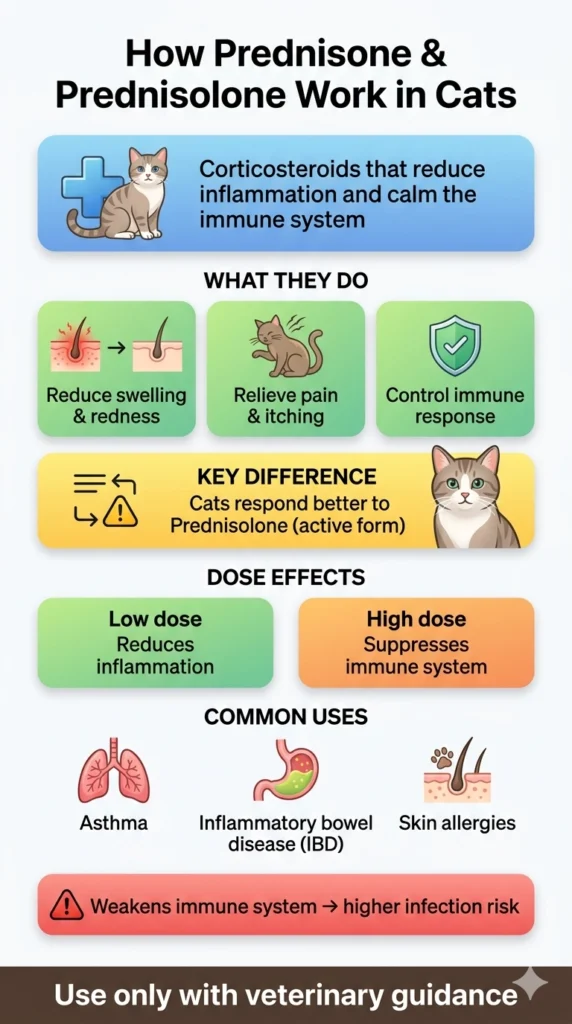
Prednisone, when given to cats, is supposed to mimic the activity of cortisol, a natural glucocorticoid hormone produced by the adrenal glands. Cortisol helps regulate inflammation and supports the body in responding to stress. However, cats have limited ability to convert prednisone into prednisolone, the active form of the drug. That’s why prednisolone is preferred for feline patients to ensure the medication works effectively.
Prednisolone can be used at different doses depending on the condition:
- Low doses: Act as an anti-inflammatory. For example, a cat with a red, itchy skin infection may benefit from prednisolone to reduce inflammation and itching while antibiotics treat the infection.
- High doses: Suppress an overactive immune system. This is helpful for autoimmune-related conditions in cats, such as:
- Feline asthma, where the immune system reacts strongly to airborne allergens
- Inflammatory bowel disease (IBD), caused by an abnormal immune response to food allergens
While these effects make corticosteroids highly effective, they also mean that cats on prednisolone or prednisone may become more susceptible to infections, as their immune system is suppressed. Proper dosing and veterinary guidance are crucial to balance the benefits and risks of treatment.
Uses of Prednisone and Prednisolone for Cats
Prednisone and prednisolone are powerful corticosteroids used in cats to manage a wide range of inflammatory, autoimmune, and other health conditions. While both medications belong to the same class of glucocorticoids, prednisolone is the preferred choice in cats, as they cannot efficiently convert prednisone into its active form.
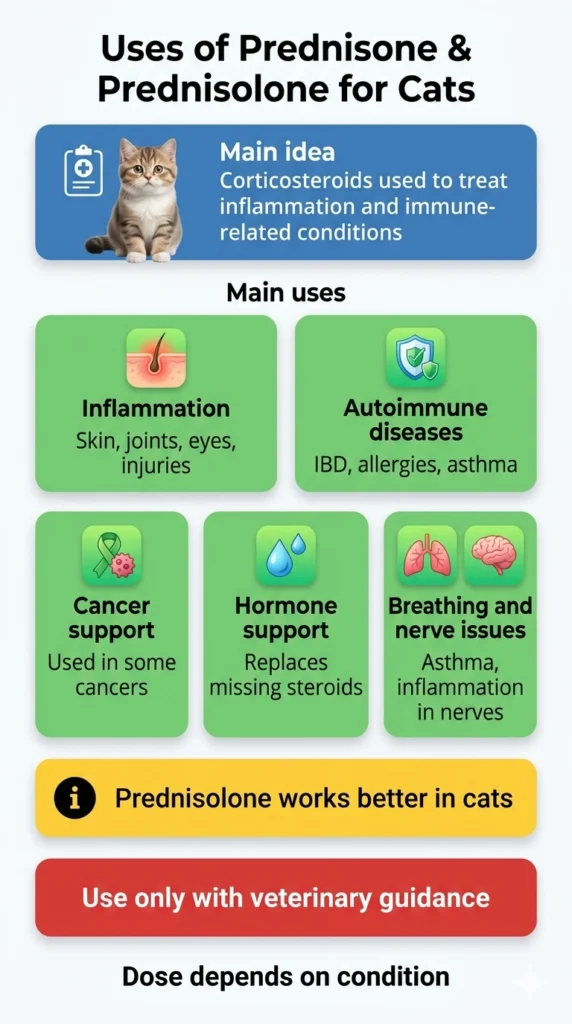
1. Treating Inflammatory Conditions
These medications are highly effective at reducing inflammation throughout the body. In cats, they are commonly prescribed for:
- Skin allergies – itching, redness, and irritation
- Eye and nose inflammation
- Arthritis or joint pain – swelling, stiffness, and discomfort
- Acute swelling or injuries
By lowering inflammatory chemical messengers and calming overactive immune responses, prednisolone helps cats feel more comfortable and improves quality of life.
2. Managing Autoimmune Disorders
Autoimmune conditions occur when a cat’s immune system mistakenly attacks its own healthy tissues. Prednisolone at higher doses suppresses the immune system, helping to control flare-ups and reduce tissue damage. Common autoimmune conditions treated in cats include:
- Inflammatory bowel disease (IBD)
- Lupus
- Rheumatoid arthritis
- Severe allergies and asthma caused by immune overreaction
3. Treating Cancer in Cats
Prednisolone is sometimes used to manage lymphomas, leukemia, and multiple myeloma. It works by acting on corticosteroid receptors in cancer cells, leading to cell death. In cats, it can be used:
- As part of chemotherapy protocols
- For palliative care in advanced cancers
Prednisone is generally discouraged in cats for cancer treatment due to poor absorption, but prednisolone provides similar therapeutic benefits with reliable effectiveness.
4. Hormone Replacement Therapy
Some cats suffer from adrenal insufficiency (Addison’s disease), a condition where the adrenal glands do not produce enough corticosteroids. Signs may include:
- Lack of appetite
- Lethargy and weight loss
- Vomiting and dehydration
- Depression
Low doses of prednisolone can replace the missing hormones and maintain normal bodily function, whereas prednisone is not advised.
5. Additional Conditions Treated
Because corticosteroids affect multiple systems, veterinarians may prescribe prednisolone for cats to manage:
- Asthma and other respiratory conditions
- Neurologic disorders such as spinal cord inflammation
- Shock or emergency conditions to stabilize blood pressure
Depending on your cat’s diagnosis, prednisolone may be given alone or alongside other medications to maximize effectiveness.
Key Points for Cat Owners
- Prednisolone is almost always preferred over prednisone for cats due to absorption issues.
- The dosage and duration of treatment vary based on your cat’s size, condition, and response to therapy.
- Close veterinary supervision is essential, as improper use can lead to side effects.
By targeting inflammation, immune system disorders, cancer, and hormone deficiencies, prednisolone plays a critical role in feline medicine, helping cats stay healthy and comfortable.
What is the Difference Between Prednisone and Prednisolone?
While prednisone and prednisolone are closely related corticosteroids, there are important differences when it comes to cats. Prednisolone is the active form of prednisone, meaning it does not require conversion by the liver to work. Prednisone, on the other hand, must first be processed by the liver into prednisolone before it can act on cells.
Once prednisolone enters a cat’s cells, it binds strongly to cytoplasmic receptors, blocking the synthesis of proteins involved in inflammation. Its main effects include:
- Reducing leukocyte infiltration at sites of inflammation
- Interfering with inflammatory mediators
- Suppressing overactive immune responses
These actions make prednisolone highly effective for treating inflammatory, immune-mediated, and allergic conditions in cats.
Prednisone vs. Prednisolone in Cats
Although prednisone and prednisolone have the same overall effects in species that efficiently convert prednisone to its active form, cats cannot reliably metabolize prednisone. This means prednisone is largely ineffective in feline patients. Because of this, veterinarians almost always prescribe prednisolone for cats.
Prednisolone is preferred for cats because:
- It is easily absorbed and works predictably in cats
- It treats a variety of conditions such as feline asthma, allergies, inflammatory bowel disease (IBD), and immune-mediated disorders
- It reduces the risk of treatment failure or side effects associated with improper metabolism
In rare cases where prednisone is prescribed for cats, close veterinary supervision is essential to ensure the drug is effective and safe. However, in nearly all scenarios, prednisolone remains the standard choice for cats, providing reliable results and safer outcomes.
Prednisone & Prednisolone Dosage for Cats
When it comes to cats, prednisolone is almost always preferred over prednisone, because cats cannot efficiently convert prednisone into its active form. For this reason, there are no standard prednisone dosages for cats, and veterinarians rely on prednisolone to manage inflammation, autoimmune disorders, cancer, and hormone deficiencies.
Prednisolone Dosage for Cats
Prednisolone doses vary depending on the condition being treated:
- Anti-inflammatory conditions (e.g., skin allergies, asthma, joint pain):
- 1–2 mg/kg of body weight per day, either as a single or divided dose
- Autoimmune disorders (e.g., inflammatory bowel disease, lupus, rheumatoid arthritis):
- 2–8 mg/kg per day, based on severity
- Cancer or hormone replacement therapy:
- Dose is individualized depending on the cat’s condition
Compared to dogs, cats generally require higher doses of prednisolone because they are more resistant to corticosteroids.
How to Give Prednisolone to Cats
- Prednisolone is typically given as a tablet, which can be split if necessary.
- It can also be compounded into liquid or transdermal forms for easier administration.
- Give with food to reduce the risk of stomach upset.
- If given once daily, administer in the evening to align with the cat’s natural hormonal cycles.
- Always wash your hands after handling the medication.
Tapering and Safety
Corticosteroids like prednisolone suppress a cat’s natural cortisol production. Stopping abruptly can be dangerous, as the body may not produce enough corticosteroid hormones. Your veterinarian will usually recommend a gradual tapering schedule over several weeks to prevent serious complications.
Monitoring is essential, especially for long-term or high-dose treatments. Veterinarians may perform:
- Blood work
- Urinalysis
- Blood pressure checks
This ensures that the medication is effective while minimizing side effects.
Key Takeaways for Safe Dosage
- Prednisolone is the preferred corticosteroid for cats, while prednisone is rarely used.
- Dosages vary based on condition, cat size, and severity of disease.
- Anti-inflammatory doses: 1–2 mg/kg/day
- Immunosuppressive doses: 2–8 mg/kg/day
- Cancer or hormone replacement: individualized dosing
- Always follow your veterinarian’s guidance for tapering, monitoring, and administration.
By carefully following these dosage and administration guidelines, prednisolone can safely and effectively treat inflammation, autoimmune disorders, cancer, and hormone deficiencies in cats.
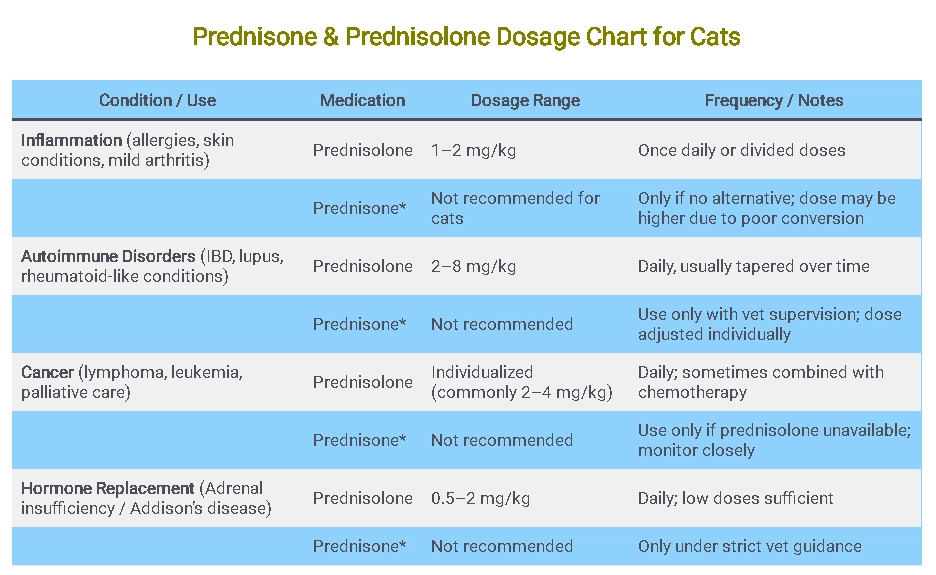
Prednisone & Prednisolone Dosage Chart for Cats
| Condition / Use | Medication | Dosage Range | Frequency / Notes |
|---|---|---|---|
| Inflammation (allergies, skin conditions, mild arthritis) | Prednisolone | 1–2 mg/kg | Once daily or divided doses |
| Prednisone* | Not recommended for cats | Only if no alternative; dose may be higher due to poor conversion | |
| Autoimmune Disorders (IBD, lupus, rheumatoid-like conditions) | Prednisolone | 2–8 mg/kg | Daily, usually tapered over time |
| Prednisone* | Not recommended | Use only with vet supervision; dose adjusted individually | |
| Cancer (lymphoma, leukemia, palliative care) | Prednisolone | Individualized (commonly 2–4 mg/kg) | Daily; sometimes combined with chemotherapy |
| Prednisone* | Not recommended | Use only if prednisolone unavailable; monitor closely | |
| Hormone Replacement (Adrenal insufficiency / Addison’s disease) | Prednisolone | 0.5–2 mg/kg | Daily; low doses sufficient |
| Prednisone* | Not recommended | Only under strict vet guidance |
Notes for safe administration:
- Give with food to reduce stomach upset.
- Best time: evening to match natural cortisol cycles.
- Do not stop suddenly; taper the dose gradually under veterinary supervision.
- Monitoring: blood work, urinalysis, blood pressure checks may be required for long-term or high-dose use.
- Cats generally require higher doses of prednisolone than dogs due to their resistance to corticosteroids.
*Prednisone is rarely used in cats due to inefficient liver conversion to prednisolone. Prednisolone is strongly preferred for efficacy and safety.
How to Give Your Cat Prednisone & Prednisolone
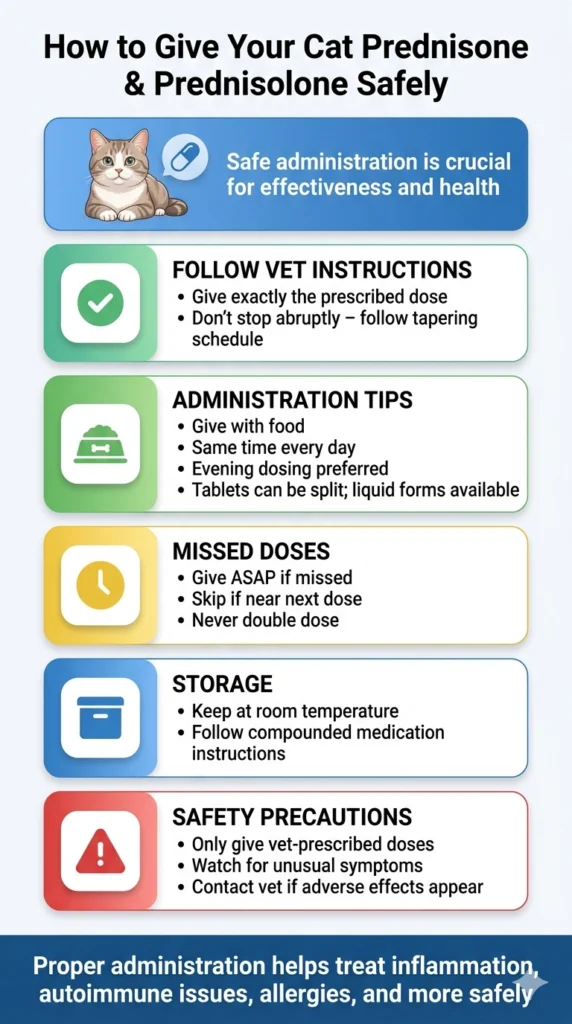
Administering prednisone or prednisolone safely is crucial for your cat’s health. While prednisone can only be given orally, prednisolone can be given by mouth or injection, depending on your veterinarian’s recommendation. Follow these guidelines carefully to ensure effectiveness and minimize risks:
1. Follow Your Veterinarian’s Instructions
- Always give exactly the dose prescribed.
- Do not stop the medication without veterinary advice, especially if your cat has been on long-term treatment. Abrupt discontinuation can be dangerous.
- When it’s time to stop treatment, your vet will provide a tapering schedule, which may take several weeks to complete.
2. Administration Tips
- Give the medication with food to reduce the risk of stomach upset.
- Administer at the same time each day to maintain steady blood levels.
- Evening dosing is often recommended to match your cat’s natural hormonal cycles.
- Tablets can be split if needed, and liquid forms are also available for easier administration.
3. Missed Doses
- If a dose is missed, give it as soon as you remember.
- If it’s almost time for the next dose, skip the missed dose.
- Never give a double dose to make up for a missed one.
4. Storage Guidelines
- Store tablets and liquids at room temperature.
- Follow specific storage instructions for compounded versions of the medication.
5. Safety Precautions
- Only give safe doses of prednisolone as prescribed by your veterinarian.
- Do not give prednisone to cats with a history of allergies or health problems without veterinary approval.
- Monitor your cat for adverse effects and contact your veterinarian if you notice unusual behavior or symptoms.
Following these guidelines ensures that prednisolone or prednisone works effectively while minimizing the risk of side effects or complications. Proper administration is essential for treating inflammation, autoimmune conditions, allergies, and other health issues in cats.
Side Effects of Prednisone & Prednisolone in Cats
While prednisolone is highly effective for treating inflammation, autoimmune disorders, allergies, and certain cancers in cats, it is a powerful corticosteroid and can cause side effects, especially with long-term or high-dose use. Knowing what to expect helps cat owners monitor their feline companions and ensure safe treatment.
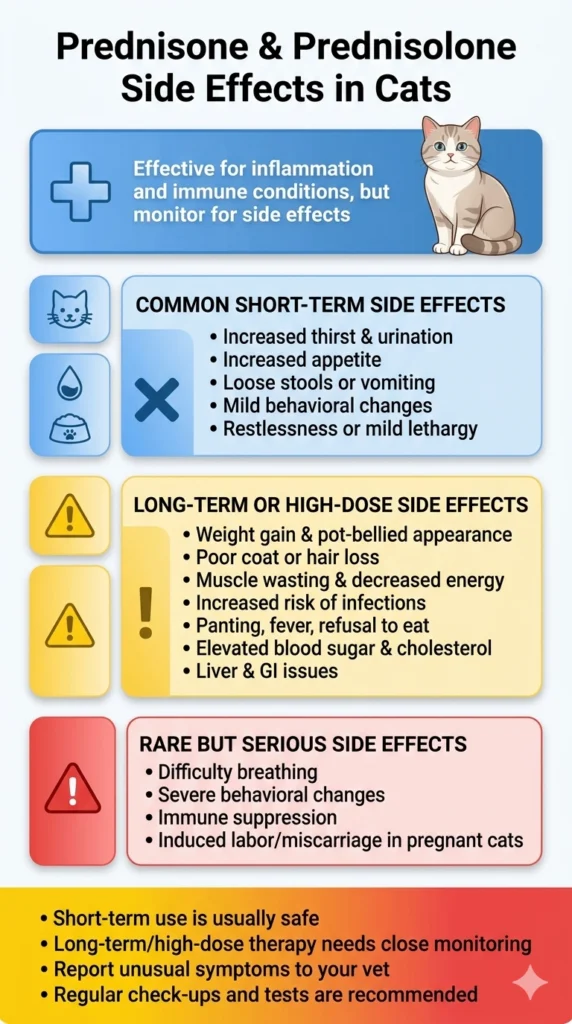
1. Common Side Effects (Usually Mild and Short-Term)
Cats taking short-term corticosteroids (less than 10 days) may experience mild and usually temporary side effects, such as:
- Increased thirst (polydipsia)
- Increased urination (polyuria)
- Increased appetite (polyphagia)
- Loose stools or diarrhea
- Vomiting
- Behavioral changes (agitation, aggression, or depression)
- Restlessness or mild lethargy
These reactions are normal for steroid use and often resolve once the medication is stopped.
2. Long-Term or High-Dose Side Effects
Cats on long-term treatment (more than 10 days) or higher doses may develop more serious effects:
- Weight gain
- Pot-bellied appearance
- Poor haircoat or hair loss
- Muscle wasting
- Decreased energy levels or lethargy
- Increased susceptibility to infections (especially urinary tract or skin infections)
- Panting
- Fever
- Refusal to eat
- Painful urination
- Increased blood sugar levels (risk of diabetes)
- Elevated cholesterol and fats in the blood
- Liver damage
- Gastrointestinal issues, including bleeding or ulcers
3. Rare but Serious Side Effects
In rare cases, cats may experience severe reactions to corticosteroids, including:
- Difficulty breathing
- Induced labor or miscarriage in pregnant cats
- Severe behavioral changes (“roid rage”)
- Significant suppression of the immune system
Key Takeaways for Cat Owners
- Short-term use is usually safe and side effects are mild.
- Long-term or high-dose therapy increases the risk of serious complications.
- Monitor your cat carefully for changes in behavior, appetite, urination, or energy.
- Always report unusual symptoms to your veterinarian immediately.
- Regular blood tests, urinalysis, and check-ups are recommended for cats on long-term corticosteroids.
With proper monitoring, the benefits of prednisolone in cats usually outweigh the risks, helping your feline manage inflammation, immune disorders, and other conditions safely.
Who Should Not Take Prednisone or Prednisolone?
While prednisolone is highly effective for treating inflammation, autoimmune disorders, allergies, and certain cancers in cats, it is not safe for all felines. Certain health conditions, medications, or life stages make corticosteroid use risky. Understanding these limitations helps prevent serious complications.
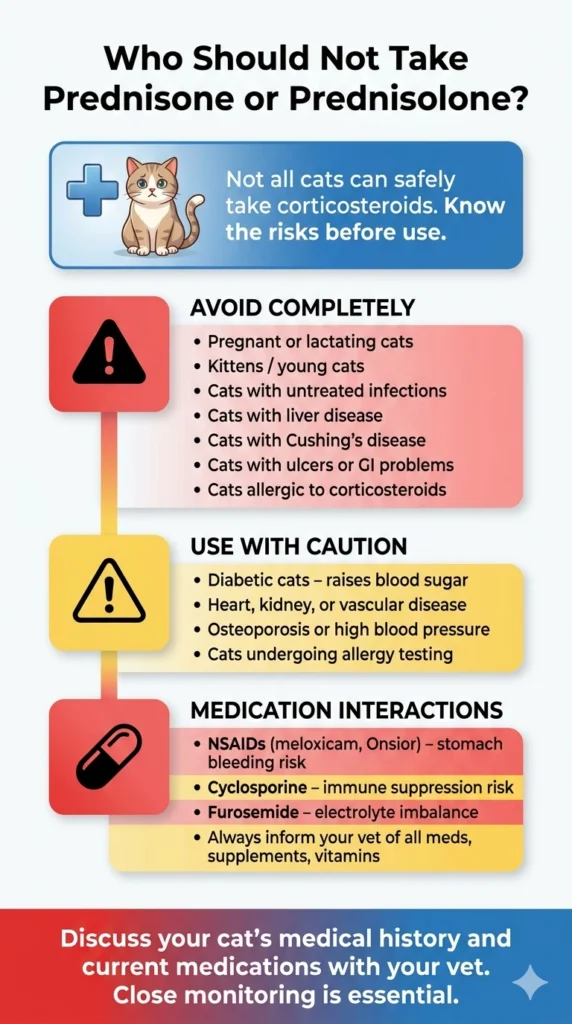
1. Cats That Should Avoid Prednisolone or Prednisone
- Pregnant or lactating cats: Risk of spontaneous abortion or premature labor.
- Kittens or young cats: Steroids can impair growth.
- Cats with untreated infections: Bacterial, viral, or fungal infections can worsen due to immunosuppression.
- Cats with liver disease: Impaired liver function may reduce prednisolone metabolism.
- Cats with Cushing’s disease: Steroids may exacerbate hormone imbalance.
- Cats with ulcers or gastrointestinal problems: Increased risk of bleeding or perforation.
- Cats allergic to corticosteroids
2. Cats That Require Extreme Caution
- Diabetic cats: Prednisolone increases blood sugar, making diabetes management difficult and potentially causing diabetic ketoacidosis.
- Cats with heart, kidney, or vascular disease: Steroid use may worsen these conditions.
- Cats with osteoporosis or high blood pressure
- Cats undergoing allergy testing: Steroids can invalidate test results if given within 30 days.
3. Medications That Interact With Prednisolone
Some medications can increase the risk of side effects when given alongside prednisolone:
- NSAIDs (e.g., meloxicam, Onsior): Combined use increases the risk of stomach ulcers or intestinal bleeding.
- Cyclosporine: Another immunosuppressant that can dangerously weaken the immune system when combined with prednisolone.
- Furosemide (diuretic): Both medications increase thirst and urination; together, they can cause electrolyte imbalances like hyperkalemia.
- Other drugs: Always tell your vet about all medications, supplements, or vitamins your cat takes.
4. Key Takeaways
- Prednisolone is not safe for all cats, especially those with infections, liver issues, diabetes, or Cushing’s disease.
- Prednisone is rarely used in cats and should be administered only under strict veterinary supervision.
- Always discuss your cat’s full medical history and current medications with your veterinarian before starting corticosteroids.
- Close monitoring is essential to prevent complications while on treatment.
You May Also Like To Read:
FAQs About Prednisone & Prednisolone for Cats
How long can a cat stay on prednisolone?
The duration depends on your cat’s condition and response to the medication. Some cats may take prednisolone long-term, even for years to manage chronic issues, while others may only need it short-term for inflammation or allergies.
What are Prednisone and Prednisolone?
They are steroid medications (glucocorticoids) used in cats to treat inflammation, immune-related disorders, and certain cancers. Prednisolone is preferred in cats because it’s readily active, while prednisone must be converted by the liver—a process cats cannot do efficiently.
What is the difference between Prednisone and Prednisolone?
Prednisone is inactive in cats until converted by the liver into prednisolone. Cats’ livers cannot do this efficiently, so prednisolone is almost always used instead. Both drugs work similarly once prednisolone is active.
What should I do if my cat misses a dose?
Give the missed dose as soon as you remember. If it’s almost time for the next dose, skip the missed dose. Never give extra doses close together to prevent dangerous side effects.
How should Prednisone and Prednisolone be stored?
Store at room temperature (59–86°F / 15–30°C), away from heat and direct sunlight. Follow label instructions for liquid forms or compounded medications.
Are Prednisone and Prednisolone FDA-approved for cats?
No, these medications are not FDA-approved for feline use, but veterinarians may prescribe them off-label when they determine it is the safest and most effective option.
What medications can interact with Prednisone and Prednisolone?
Interactions may occur with:
NSAIDs (e.g., meloxicam, Onsior)
Diuretics (e.g., furosemide)
Immunosuppressants (e.g., cyclosporine)
Antibiotics and antifungals
Always inform your veterinarian about all medications, supplements, and vitamins your cat is taking.
Final Thoughts
Prednisolone is a vital medication for cats suffering from inflammation, allergies, autoimmune disorders, asthma, or certain cancers. Unlike prednisone, which cats cannot efficiently metabolize, prednisolone is easily absorbed and highly effective, making it the preferred choice for feline patients.
When used correctly under veterinary guidance, prednisolone can dramatically improve your cat’s comfort and quality of life. It reduces swelling, pain, and immune-related flare-ups while addressing chronic health issues. However, improper dosing, sudden discontinuation, or use in cats with certain health conditions can lead to serious complications, including diabetes, infections, liver problems, or hormone imbalances.
Key Points to Remember
- Prednisolone is safer and more effective than prednisone for cats.
- Dosage and administration should always follow a veterinarian’s instructions, with tapering when stopping long-term therapy.
- Watch for side effects, including increased thirst, urination, appetite, weight gain, or more serious complications with long-term use.
- Certain cats—kittens, pregnant or lactating cats, diabetics, cats with liver disease or infections—require extra caution.
- Regular monitoring through blood tests, urinalysis, and veterinary check-ups ensures safe and effective treatment.
By staying informed and working closely with your veterinarian, you can ensure your cat receives safe, effective care with prednisolone, helping them live a healthier, more comfortable life while managing their medical conditions.