Determining proper dosage of furosemide in cats is a crucial step in the management of heart failure and water retention in cats.
As a potent diuretic, furosemide (brand name Lasix for those who are familiar with it) works quickly to eliminate excess fluid from the body and can save a cat’s life in a respiratory crisis.
However, because the therapeutic window can be narrow, and side effects such as dehydration are not uncommon, accurate dosing based on a veterinarian’s recommendation is critical.
In This guide We Will Discover the safe furosemide dosage for cats with our vet-approved guide. Includes weight-based charts, side effects, and essential tips for heart failure care.
Disclaimer: This article is for educational purposes only and does not constitute veterinary advice. Always consult a licensed veterinarian before administering any medication or adjusting dosages, as improper use of furosemide can lead to serious health complications.



Key Takeaways
- Veterinary Supervision is Mandatory: Furosemide is a powerful medication. The proper dosage of furosemide in cats should be calculated by a veterinarian considering the specifics of the condition (congestive heart failure vs. pulmonary edema, for example), as well as how well the cat’s kidneys are functioning.
- Dosing by Weight: The standard dose is usually 1mg to 4mg per kg of body weight every 8 to 24 hours depending on severity.
- Monitoring is Crucial: Regular blood work is necessary to monitor kidney values (BUN and Creatinine) and electrolyte levels to keep toxicity at bay.
- Signs of Success: The main signs that the medication is working is a better breathing rate and decreased coughing, but increased thirst and urination is a side effect you should expect.
What Is Furosemide and How Does It Work?
Furosemide belongs to a class of drugs called a loop diuretic. To understand why the of furosemide dosage for cats is so important, it is helpful to understand the mechanism of action.
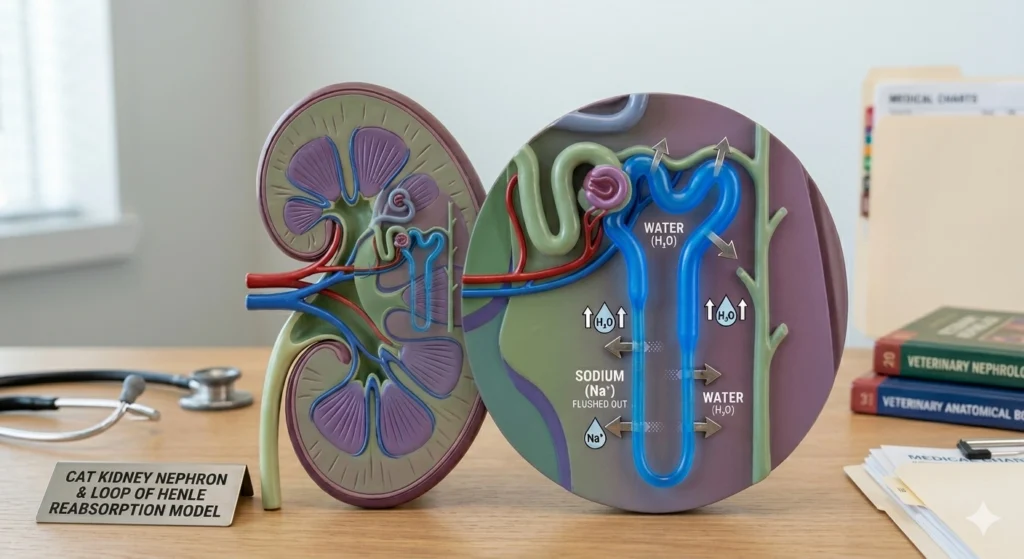
It works by blocking the absorption of sodium, chloride and water in the kidneys – the loop of Henle to be exact. By preventing this reabsorption, the drug causes the kidneys to remove excess fluid in the form of urine.
In veterinary medicine, this “water pill” is at the core of our treatment for diseases in which fluid is accumulating in the body in an abnormal way.


It is fast-acting, and frequently will show visible results within 30 minutes to an hour of administration, intravenous or intramuscularly, hence its use in the first line of defense in emergency situations.
What is furosemide used for in cats?
Veterinarians prescribe furosemide mostly to manage conditions that involve fluid overload. The most common uses include:
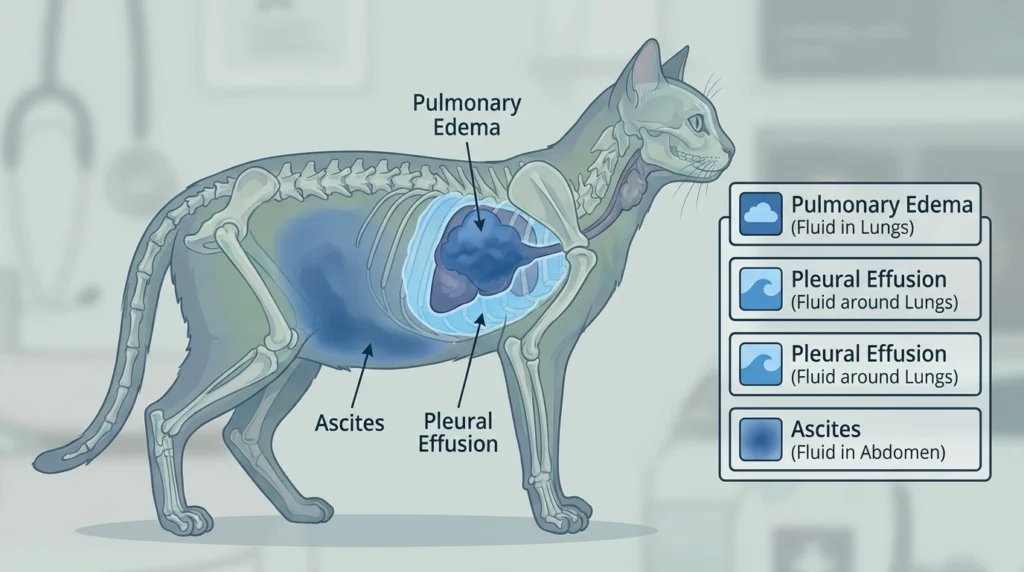
- Congestive Heart Failure (CHF): This is the most common application. When a cat’s heart is unable to pump blood efficiently, fluid can back up into the lungs (pulmonary edema) or the chest cavity (pleural effusion). A specific of furosemide dosage for cats with heart failure helps prevent this fluid from being on the lungs, allowing them to breathe and have a better quality of life.
- Pulmonary Edema: This is the buildup of fluid in the lung tissue, either due to heart disease or sometimes due to another reason such as being electrocuted or near-drowning.
- Pleural Effusion: Fluid that builds up in the chest outside of the lungs. While in the case of furosemide helps, sometimes manual drainage (thoracentesis) is also required.
- Ascites: Fluid in the abdomen.
- Hypercalcemia: Sometimes, furosemide is used to help reduce dangerously elevated levels of calcium in the body by encouraging the body to excrete the excess calcium, although concurrent fluid therapy is required for this.
- Urine Output Stimulation: In certain cases of acute kidney injury (specifically prevention of oliguria), it may be used to stimulate urine production, although this is a complicated and closely monitored procedure done in the hospital.
Is furosemide safe for cats?
Furosemide is generally thought to be safe for cats when used according to a veterinarian’s prescribed instructions.
However, “safe” does not mean without risk. The safety profile is dependent to a great degree on the correct furosemide for cats dosage and continued monitoring.
Because furosemide effectively makes the kidneys work harder to remove fluid from the system, it can work hard to strain the kidneys. Cats with pre-existing kidney disease (CKD) are at increased risk for complications.
Therefore, the safety of this drug is a balance between removing enough fluid to help the patient breathe, but not removing enough fluid to make the patient’s kidneys dry out and fail.
Safety measures include:
- Baseline Blood Work: Prior to beginning therapy, a vet will check the kidney values and electrolytes.
- Regular Rechecks: Regular checking for dehydration and weight loss is important.
- Dose Adjustment: The dose is often started low and adjusted depending on a cat’s response.
Furosemide dosage for cats
Determining the right dose is a delicate approach. The of furosemide dosage for cats is not a “one size fits all” number, it is a calculation based on the weight of the cat in question, the severity of the fluid accumulation and route of administration (oral or injectable).
General Dosing Guidelines
According to veterinary formularies, the standard furosemide dosage for cats per kg generally falls within the following ranges:
- Oral Administration: 1 mg/kg to 2 mg/kg: once to twice daily (BID)
- Injectable (IV/IM/SC): 1mg/kg to 4mg/kg, generally reserved for acute emergency situations.
For an average 4 kg (about 8.8 lb) cat, an oral dose could be anywhere from 4 mg to 8 mg every 12 to 24 hours.
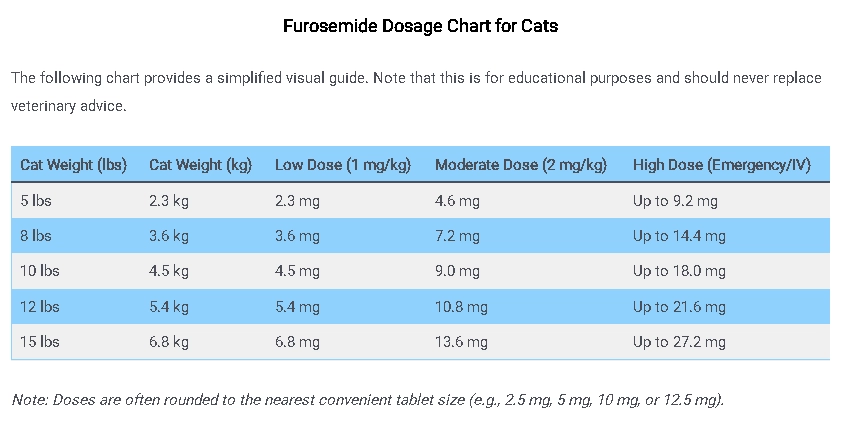
Furosemide Dosage Chart for Cats
The following chart provides a simplified visual guide. Note that this is for educational purposes and should never replace veterinary advice.
| Cat Weight (lbs) | Cat Weight (kg) | Low Dose (1 mg/kg) | Moderate Dose (2 mg/kg) | High Dose (Emergency/IV) |
|---|---|---|---|---|
| 5 lbs | 2.3 kg | 2.3 mg | 4.6 mg | Up to 9.2 mg |
| 8 lbs | 3.6 kg | 3.6 mg | 7.2 mg | Up to 14.4 mg |
| 10 lbs | 4.5 kg | 4.5 mg | 9.0 mg | Up to 18.0 mg |
| 12 lbs | 5.4 kg | 5.4 mg | 10.8 mg | Up to 21.6 mg |
| 15 lbs | 6.8 kg | 6.8 mg | 13.6 mg | Up to 27.2 mg |
Note: Doses are often rounded to the nearest convenient tablet size (e.g., 2.5 mg, 5 mg, 10 mg, or 12.5 mg).
Furosemide for Cats by Weight: Calculating the Dose
Pet owners frequently look for a furosemide dosage for cats calculator to make sure that they are getting it correct. While there are tools available online, the calculation is simple math:
Formula: Weight in kg x Desired Dose (mg/kg) = Total Dose in mg.
If you don’t know your cat’s weight in kg, then divide their weight in pounds by 2.2.
- Example: A 11 pound cat would be approximately 5 kg (11 divided by 2.2 = 5).
- If vet gives 2 mg/kg. 5kg x 2 mg = 10 mg total dosage.
This is often called administering furosemide dosage for cats per day. However, that daily amount is typically divided up. For example, if the total for the day is 10 mg, the vet may prescribe 5 mg in the morning and 5 mg in the evening (BID).
Oral vs. Injectable (IV) Dosage
The route of administration affects the dynamics of the drug:
- Oral Tablets/Liquid: Used in maintenance therapy This is the most common form to be used for home care. The peak is within 1 to 2 hours.
- Injectable (IV): Used in the hospital in acute Pulmonary oedema. The onset of action is almost immediate (in 5 minutes). The furosemide dose for cats iv often is higher than the oral doses because IV injection does not have to go through the digestive system and therefore has a bioavailability of 100%. In an emergency situation, vets can administer repeated doses of IV every 30-60 minutes until the cat urinates and breathing stabilizes.
Duration: Furosemide Dosage For Cats How Many Days?
Many owners have questions regarding the length of time that treatment will take. For acute fluid overload, the medication may only be necessary for a few days if the underlying cause of the fluid overload is reversible.
However, for long-term conditions such as congestive heart failure, furosemide is typically a life-long drug.
The furosemide dosage for cats how many days question eventually depends on the diagnosis, for CHF “how many days” generally means “for the rest of the cat’s life”, with adjustments made over time.
Side effects of Furosemide in cats
While life-saving, furosemide has an effect on the body’s fluid balance in its entirety. The most immediate side effect is thirstiness and excessive urination (polydipsia and polyuria).
This is to be expected and a sign that the drug is working but can be inconvenient for owners.
Other common side effects are:
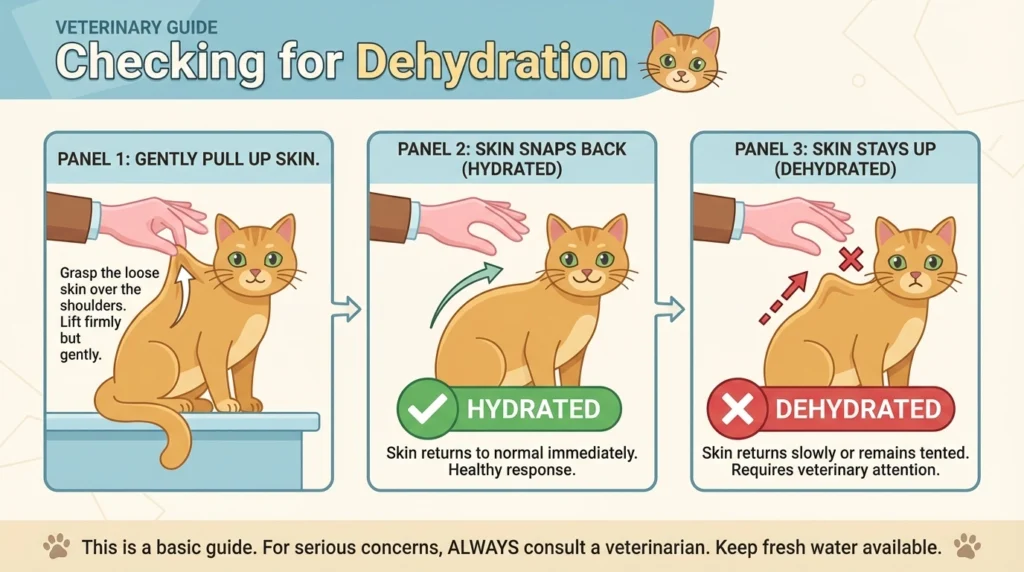
- Dehydration: Since the drug depletes the body of fluids, it is easy for a cat to become dehydrated, especially if the dosage is too high.
- Electrolyte Imbalances: Furosemide causes the loss of potassium, sodium and magnesium. Low potassium (hypokalemia) is especially dangerous, and can result in severe muscle weakness, including weakness in the neck muscles (cats may have trouble lifting their heads).
- Appetite Changes: There is potential for nausea, or vomiting, especially if the cat is deaching electrolyte issues.
Potential Side Effects and Risks
Going deeper into the risks, there are serious potential complications which require the supervision of a veterinarian for pet owners to understand.
Ototoxicity and Nephrotoxicity
High doses of furosemide, particularly when given rapidly IV, may be toxic. Ototoxicity (damage to the ear causing hearing loss or problems with balance) is a rare but known risk, especially in cats with kidney failure.
Nephrotoxicity (kidney damage) is the main concern due to the drug’s effect on blood flow to the kidneys. If a cat becomes dehydrated there is a skyrocketing risk of the kidneys being injured.
Drug Interactions
Furosemide interacts with a number of other medications.
- NSAIDs (e.g. Meloxicam): It’s important to use these with care as there is an enormous risk of acute kidney failure when using both.
- ACE Inhibitors (e.g. Enalapril, Benazepril): Often prescribed together for heart disease, but can compound the effects on kidney function which need to be monitored carefully.
- Aminoglycoside Antibiotics: These may increase the ototoxicity of furosemide.
Signs of Overdose or Toxicity
If you see the following, call your vet right away:
- Severe lethargy or collapse.
- Weakness (unable to jump or raise head).
- Rapid, weak pulse.
- Cold extremities.
- Less or no urination even though taking medication.
Monitoring Your Cat’s Progress
Once your cat’s of furosemide dosage for cats is stabilized, monitoring at home is essential.
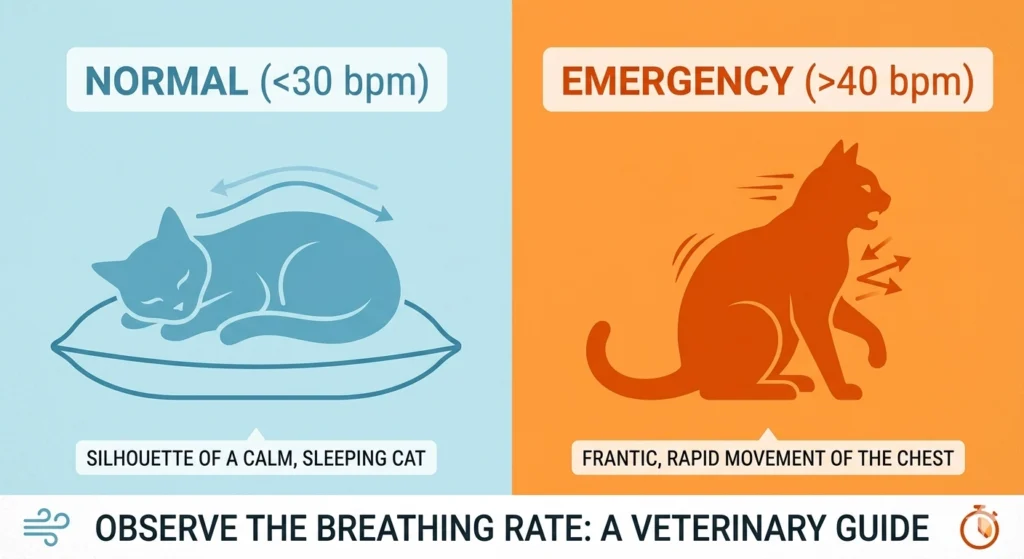
- Respiratory Rate: Count the number of breaths your cat takes in 1 minute while they are asleep or at rest. A normal rate is generally less than 30 breaths per minute. An increasing rate may be an indication that fluid is returning, which would be a sign that a dosage adjustment is needed.
- Weight: Regular weight should be checked to detect fluid gain or dangerous weight loss (dehydration/muscle wasting).
- Kidney Values: Blood work checks every 3 to 6 months should be anticipated in stable patients, and more often after a diagnosis or dose change.
You May Also Like To Read:
FAQs
Can I change the dosage of furosemide myself?
No. Never alter the dosage without talking with your veterinarian. Increasing the dose can lead to acute kidney failure while reducing the dose can cause fluid to quickly return and result in a respiratory emergency.
What happens if I miss a dose?
If you miss a dose, give it as soon as you remember. If it is nearly time for the next dose that is to be given, skip the missed dose and get back on the schedule. Do not give a double dose to make up for the one that was missed as this can cause dangerous dehydration.
Is there a time of day that you must give furosemide?
Furosemide makes you urinate more. Many owners prefer to administer it in the morning so the cat is not having to go to the litter box as often overnight. Discuss the issue of timing with your vet, especially if your cat is twice-daily dosed.
How do you store furosemide?
Keep tablets at room temperature, out of reach of moisture and light. Don’t allow the liquid form to freeze. Always check the expiration date, as out of date diuretics may lose potency.
Are there natural alternatives to furosemide?
There are no proven natural alternatives that mimic the powerful diuretic effect of furosemide for life-threatening diseases such as CHF. While supplements such as taurine or CoQ10 may help maintain heart health, they aren’t capable of clearing up acute fluid buildup. Do not replace prescribed medication with supplements without a veterinarian’s approval.
Final Thoughts About Furosemide for Cats
Navigating the complexities of heart failure or fluid retention in a beloved pet is never easy, but knowing the correct of furosemide dosage for cats is the first step towards getting them back to feeling their best.
This medication is more than a prescription; for many cats, it is a lifeline and enables them to breathe easier and live longer. However, its power requires respect.
Whether you are looking at a furosemide dosage chart for cats for the first time or adjusting a long-term maintenance plan, it is always important to remember that precision is of the utmost importance.
The difference between the therapeutic and toxic dose can be slim, which is why it is never an option to self-medicate.
Your vigilance as a pet owner, keeping an eye on breathing rates, watching for dehydration, and making sure to have regular vet checkups, is the safety net behind the success of this treatment.
By following the guidelines of the profession and maintaining good communication with your cat’s needs, you can be sure that furosemide will continue to be a great ally in the management of your cat’s health by turning a frightening diagnosis into a manageable disease.